The asset exists. The rights are documented. The record is verifiable.
Tokenization does not create value or reduce risk. It changes how ownership is recorded and transferred. Everything beneath that record — the asset, the legal structure, the custody — is where our work is done.

Six layers of trust
What underpins every participation.
Selection and due diligence
Each opportunity is assessed on authenticity, provenance, valuation methodology, legal title and exit scenarios before it reaches the platform. Independent expertise is engaged where relevant, and we do not rely solely on the seller's valuation. Institutional opportunities are reviewed in coordination with CGPH Banque d'Affaires where relevant.
Legal structure
The transaction documentation for each opportunity sets out your rights clearly: structure, jurisdiction, eligibility, transfer terms and fees. Review it before you commit.
Custody
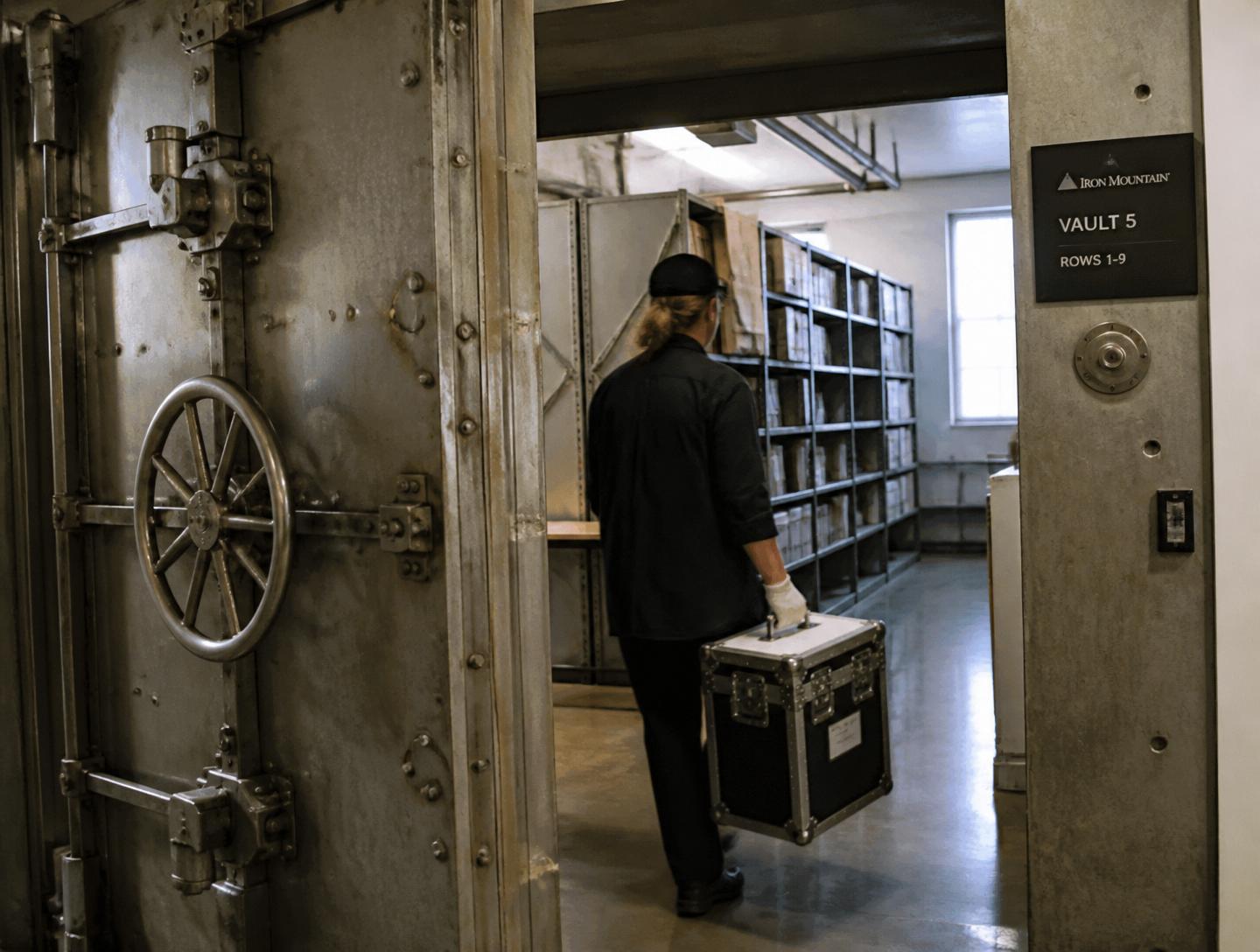
Physical assets are held under dedicated custody, segregation, insurance and environmental arrangements, described in full for each opportunity. Continuity is built into the legal structure, not left to chance.
The record
Where applicable, permissioned digital infrastructure such as the ERC-3643 standard restricts transfers to verified participants and administers the record. Every participant completes KYC/AML before any allocation.
Regulatory framework
Eligibility, onboarding and transfer controls are built around the requirements of each structure and jurisdiction, giving every participant a clear, documented framework to rely on.
Reporting and transparency
Reporting to participants — position statements, custody confirmations, valuation updates and material events — is made available at the frequency and scope described in the transaction documentation for each opportunity.
On the blockchain — plainly
A register, not a currency.
Here is what blockchain does for you, what it deliberately does not do, and why your participation stays clear of crypto-market swings.

A shared, tamper-evident register
A blockchain is a distributed ledger — a database maintained by many independent computers. Once an entry is written and confirmed, it cannot be altered without leaving a trace. In our use, it supports a tamper-evident operational audit trail for the administration of participations; legal rights remain defined by the transaction documentation and any authoritative or statutory register.
Why we use it
We use blockchain infrastructure for a narrow operational purpose: to administer participation records and, where applicable, to enforce transfer rules through permissioned standards such as ERC-3643, restricting transfers to verified participants. It provides an audit trail available to participants and, where required, to regulators.
This is not a crypto investment
Altherum does not offer, distribute or advise on cryptocurrencies. Digital records representing a participation are not traded on public crypto exchanges, and their value is not driven by crypto-market sentiment. Tokenisation records rights; it does not remove the underlying risks described in each transaction's documentation.
Reading the terms
Every transaction is read on its own terms.
- Valuations reflect independent assessment and can move with market conditions.
- Liquidity varies by opportunity; a secondary market may not exist for every participation.
- Transferability follows the legal, regulatory and contractual terms of each structure.
Private-market investments involve risk; each opportunity is governed by its own documentation.
Start with an introduction
Whether you represent an investor, family office, advisory firm, asset owner or institutional partner, our team will direct your enquiry to the appropriate specialist.