
Lot · 001Fine Art

Blue-chip & emerging art
Works evaluated on provenance, exhibition history, market depth and conservation requirements — from established names to rigorously selected emerging artists.
Provenance verifiedView
Real assets
Fractional co-ownership of selected physical assets, documented directly between co-owners and recorded via digital tokens. One asset at a time, chosen by conviction rather than volume.
Chapter 01 — Markets older than the stock exchange
Art, gems, watches and rare spirits have stored value for centuries — long before exchanges, tickers or quarterly reporting existed. They were held by families, institutions and collectors who understood the object itself, and who transferred it privately when the moment came.
What has changed is not the value of these markets. What has changed is access.
A single museum-grade work, a certified stone or a reference timepiece has always required the whole ticket from a single buyer, along with the expertise to authenticate it and the infrastructure to hold it. Documented fractional co-ownership addresses that constraint without softening the standard applied to the object.
An auction-house discipline
Each asset admitted to Altherum passes a documented review — from provenance and independent appraisal to custody, insurance and the eventual sale process. What appears on the platform has already earned its place.
Participation starts from €1,000 — not as an entry-level product, but so that collectors and investors can hold a documented share of pieces that would otherwise remain out of reach.
Chapter 02 — The classes
Presented as lots — each one photographed, catalogued and admitted only after independent expertise.
Works evaluated on provenance, exhibition history, market depth and conservation requirements — from established names to rigorously selected emerging artists.
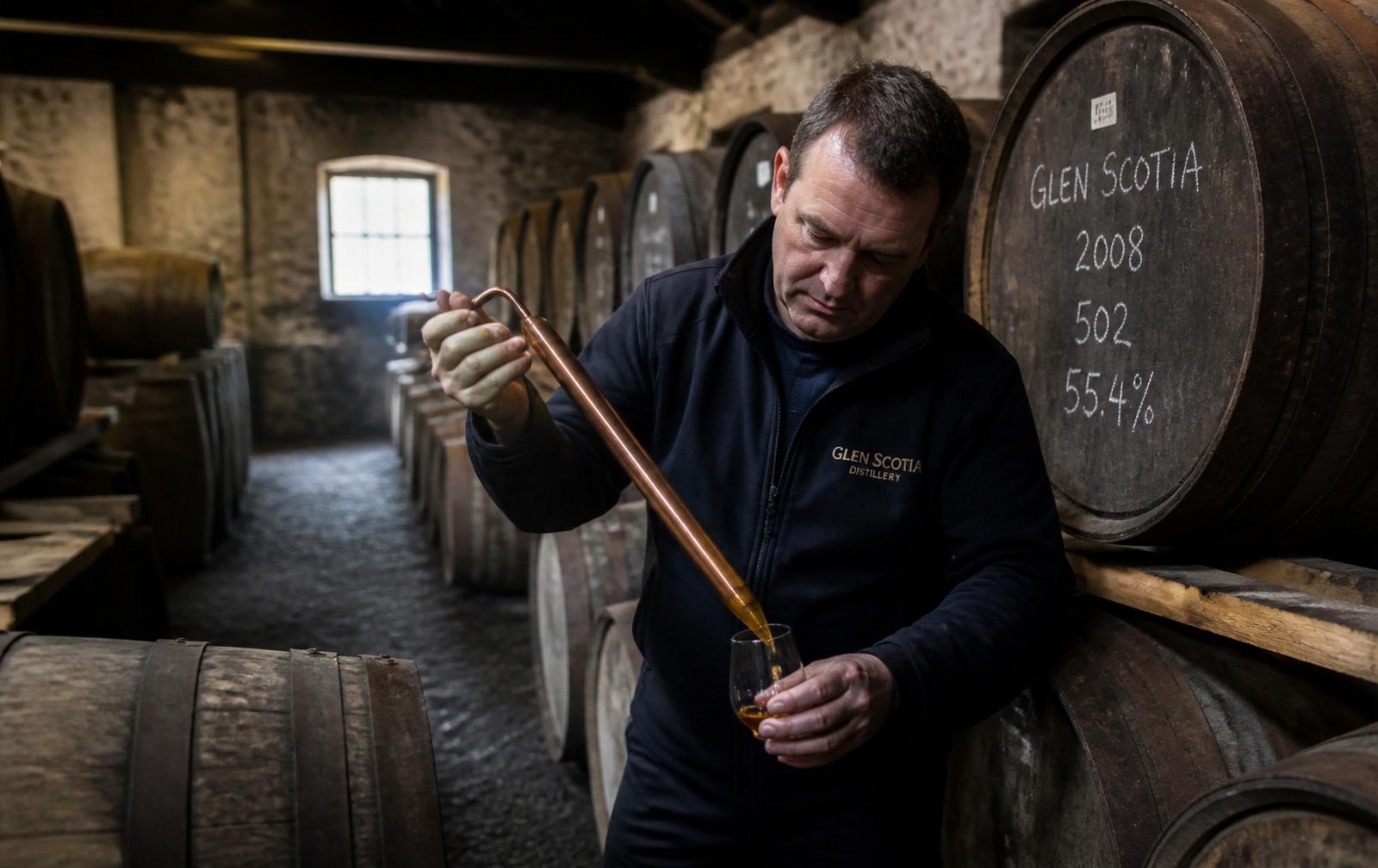
Single-cask bottlings and cellar-grade investment vintages, selected for pedigree, condition, provenance and secondary-market demand.
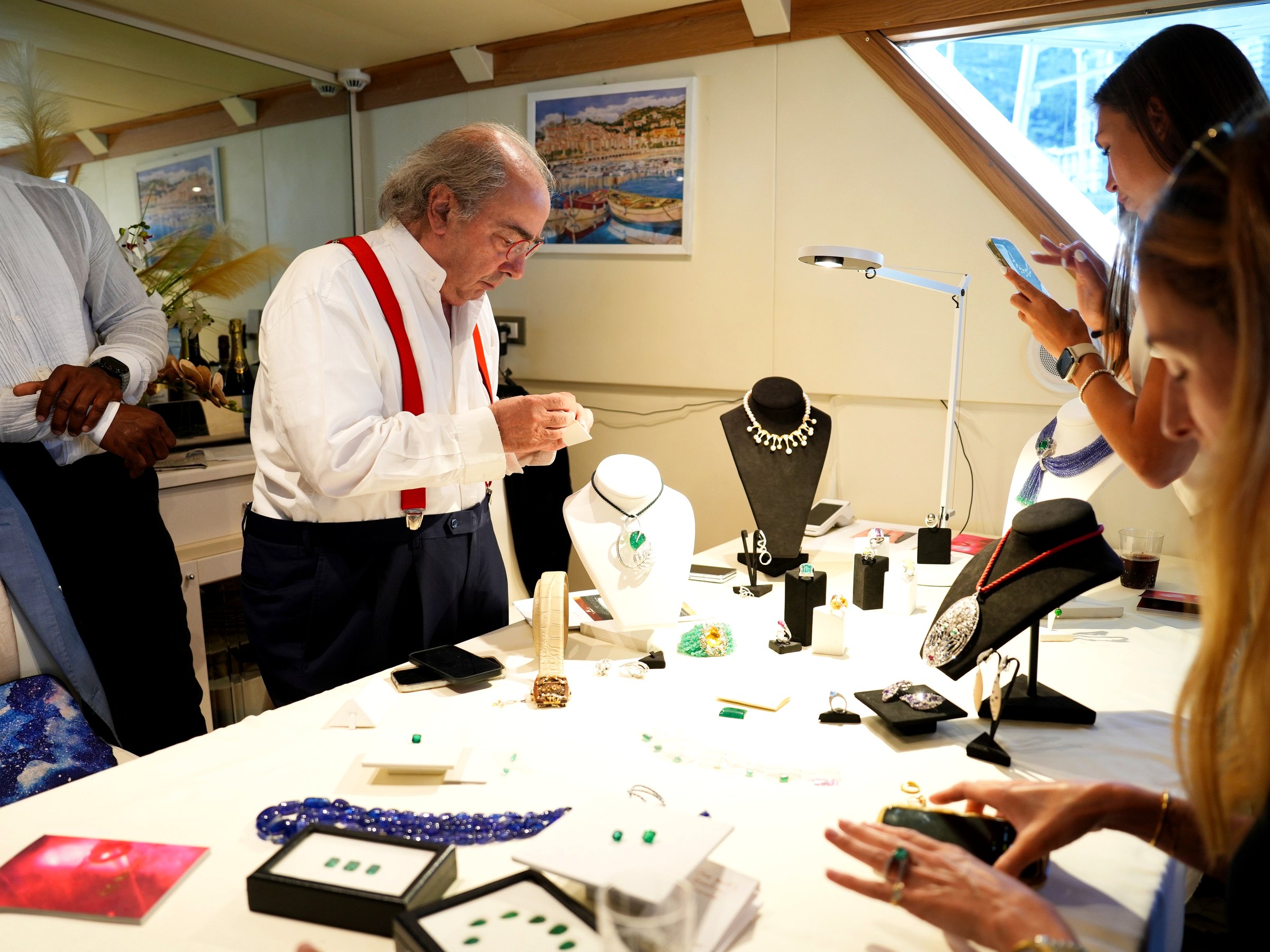
Stones with recognised laboratory certification, assessed on origin, treatment, cut and comparable transactions.
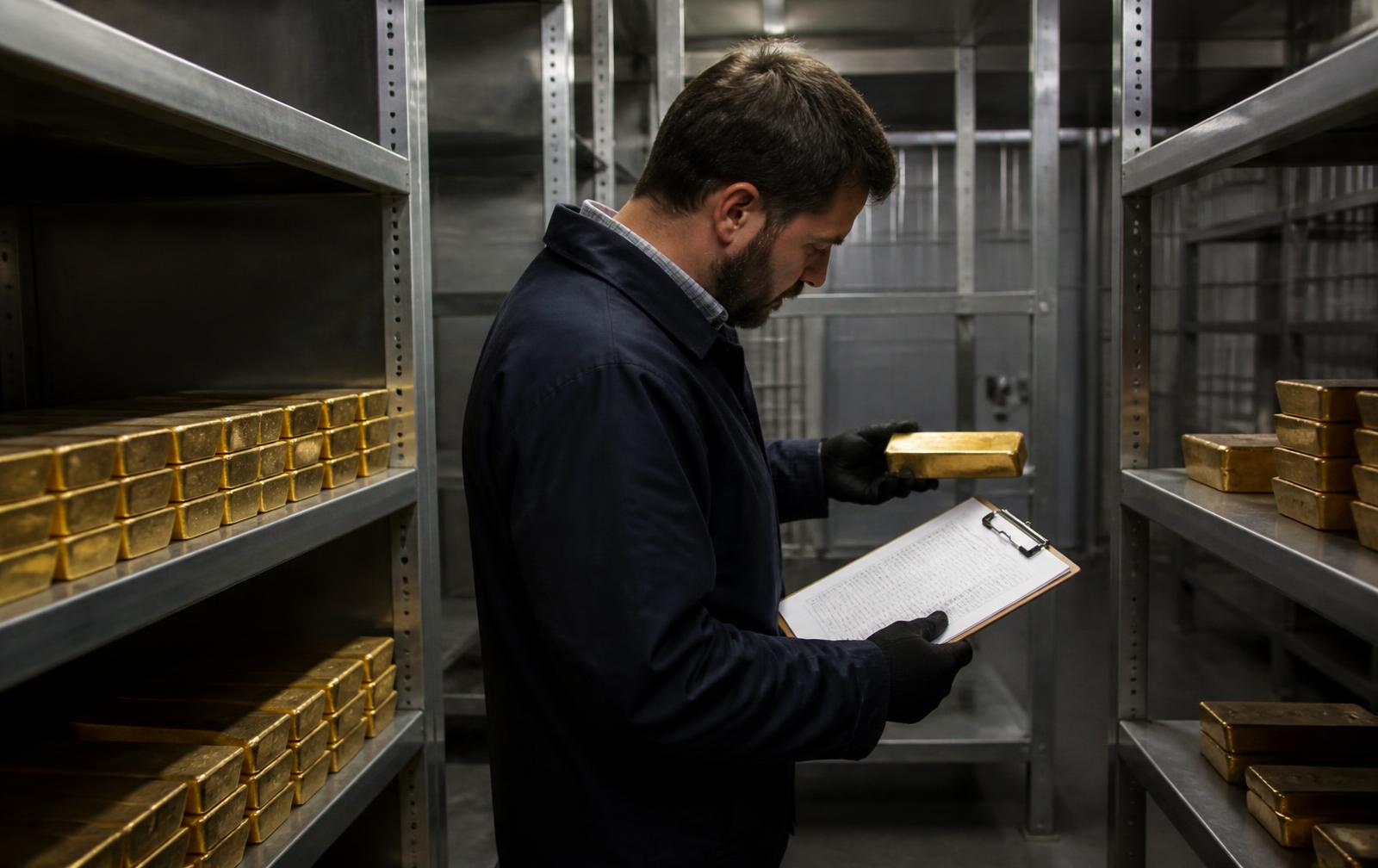
Investment-grade bullion and rare metals held in vaulted custody, with assay documentation and independent verification of weight and purity.
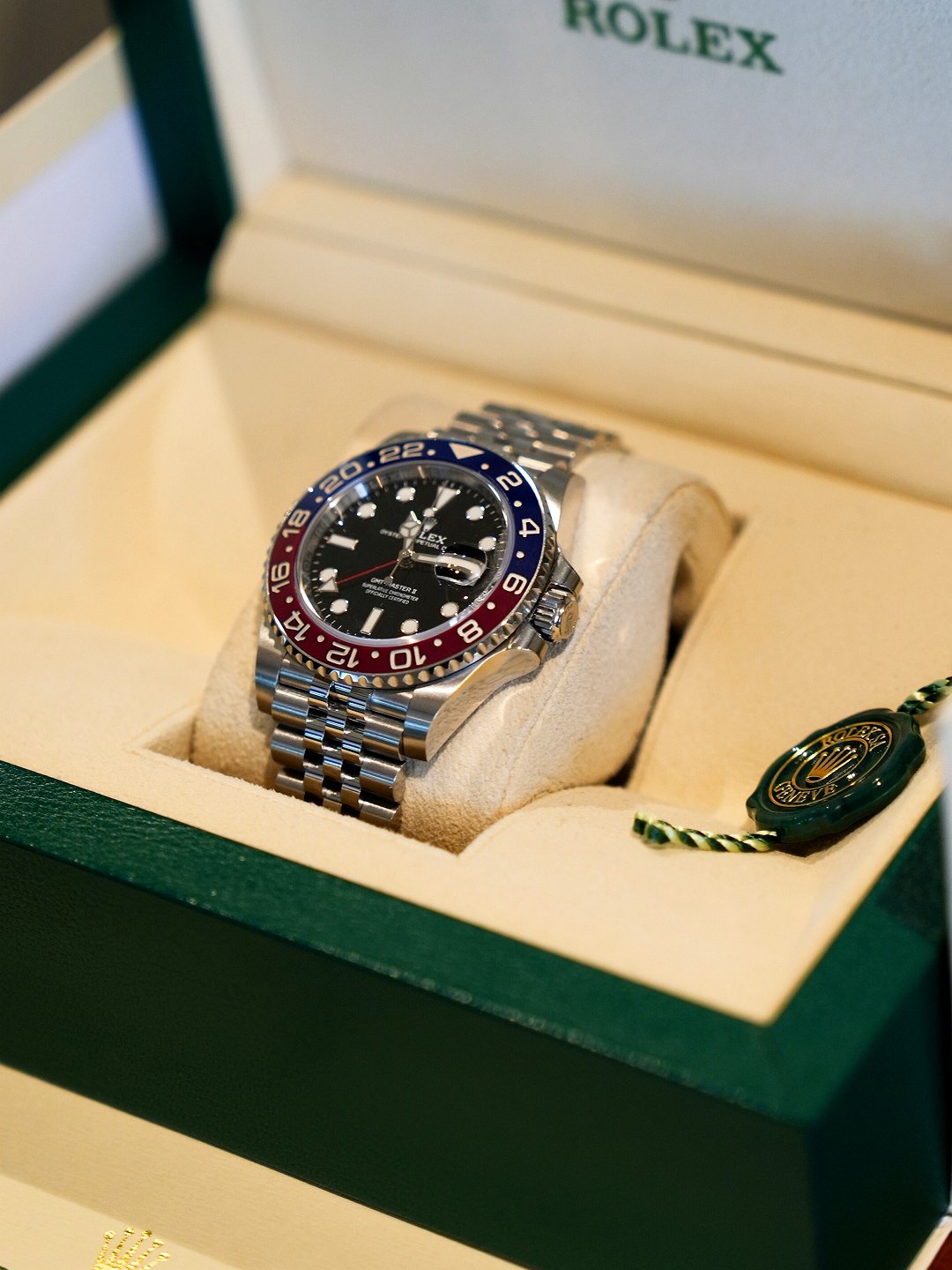
Rare, limited and historically significant timepieces — selected for craftsmanship, provenance, condition, brand heritage and collector demand.
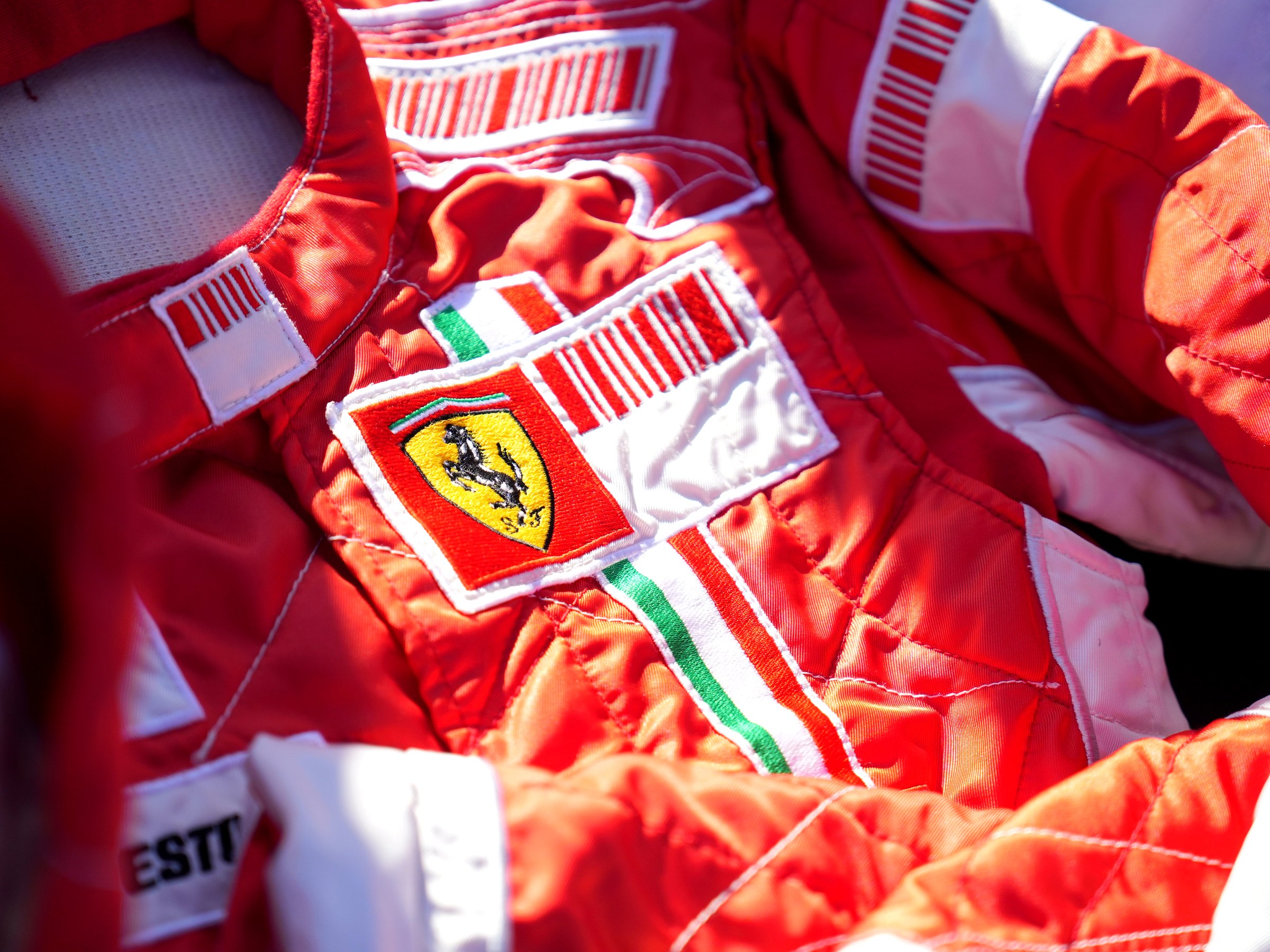
Match-worn, race-worn and signed pieces with documented authenticity and a traceable competitive history.
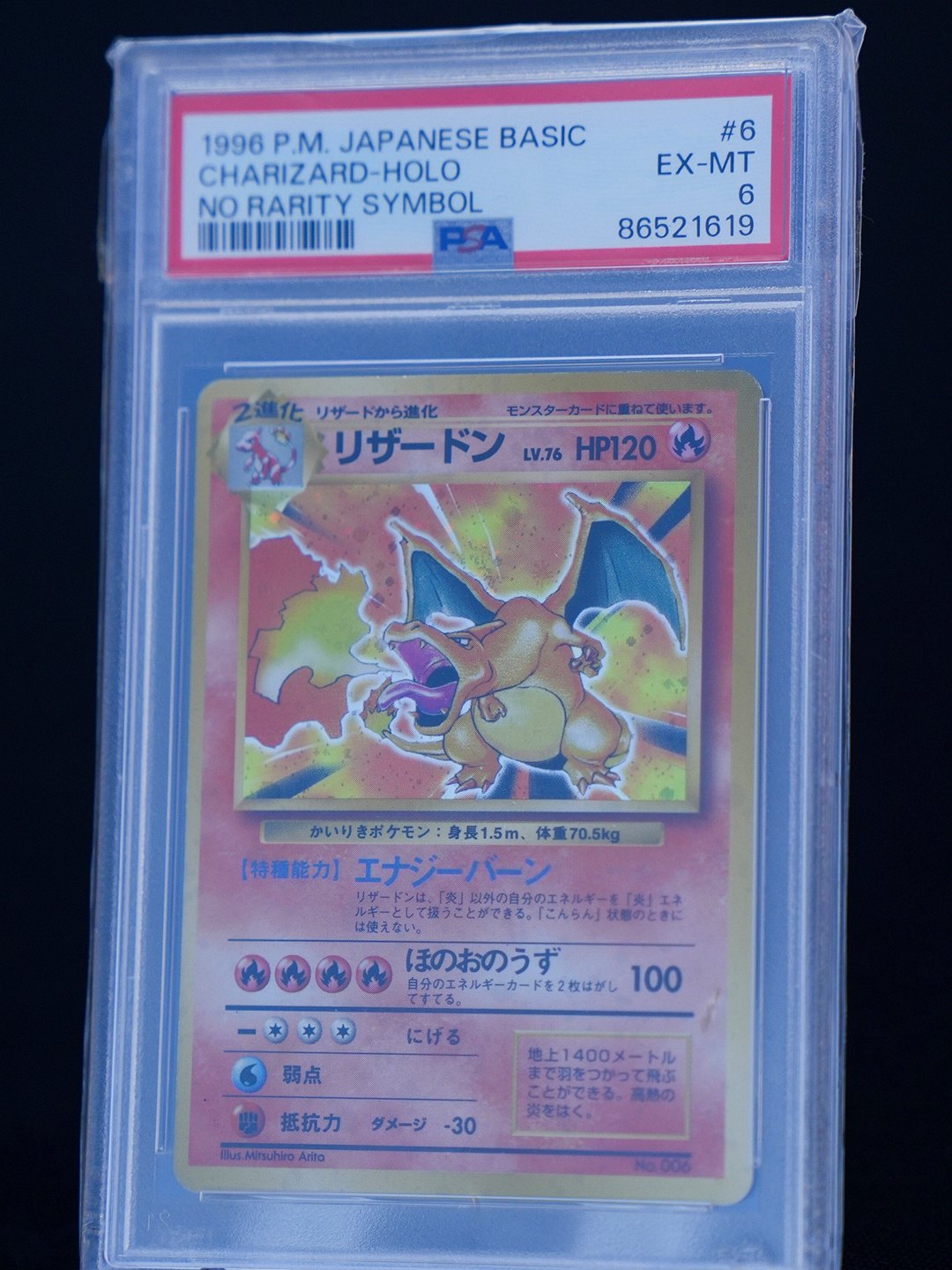
Sport and franchise cards with recognised third-party grading, assessed for rarity, population counts and market liquidity.
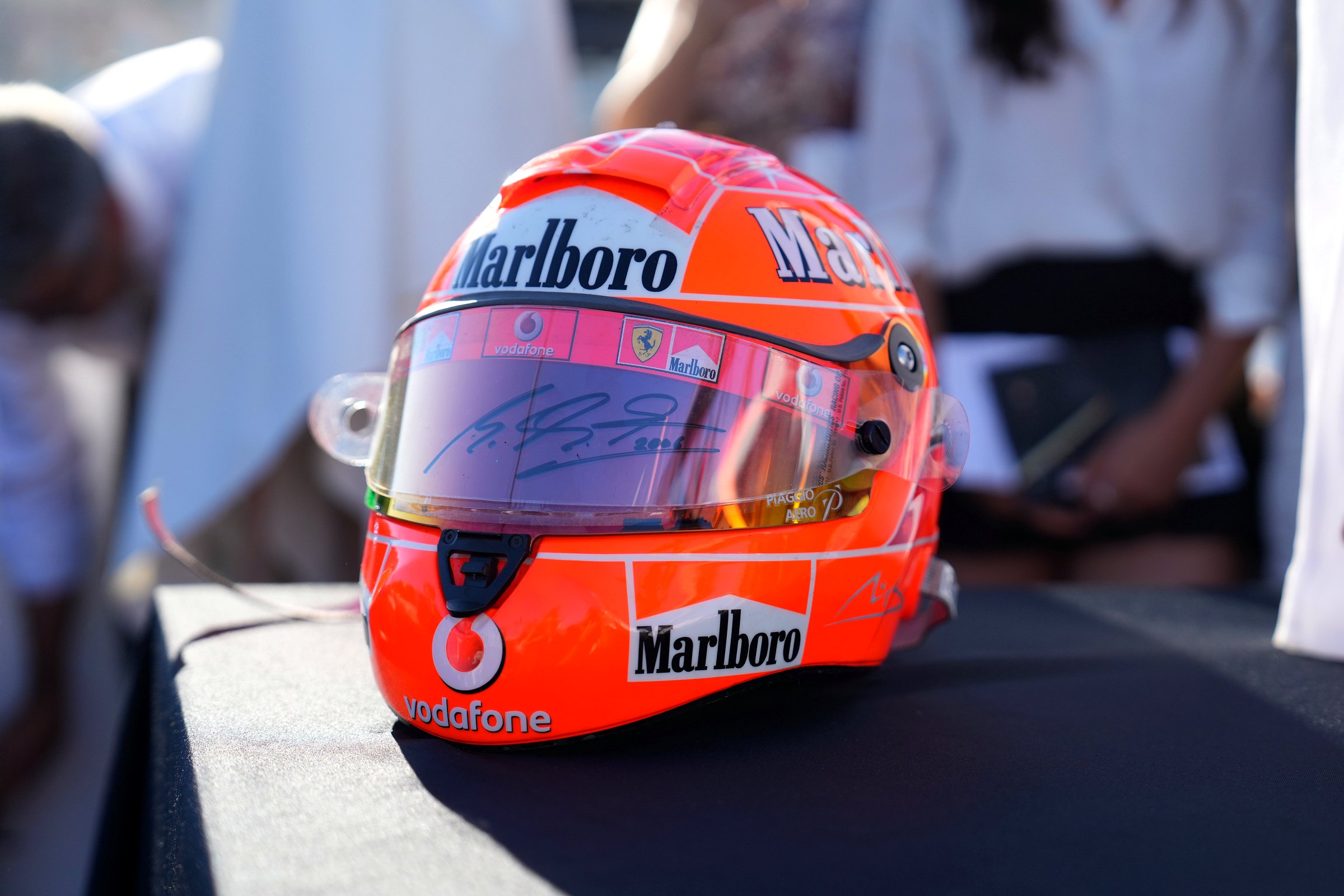
Objects of cultural, scientific or motorsport significance with documented authenticity and clear market comparables.
What drives value
There is no single measure of quality across these markets. What follows is the evidence we require before an asset in each class is considered at all.
Provenance, exhibition history, auction records.
A work is read through its chain of ownership, the institutions that have shown it and the depth of comparable results at auction. Emerging names are admitted only where those three elements already exist in verifiable form.
Reference rarity, condition, papers.
Value concentrates in specific references produced in limited numbers, in original condition, accompanied by their box and papers. Service history and dial originality are examined before anything else.
GIA-certified colour, clarity and carat.
Only stones with recognised laboratory certification are considered. Origin, treatment disclosure and the cut are assessed against comparable certified transactions rather than retail pricing.
Appellation and distillery pedigree, bonded storage, age statements.
Pedigree comes first, then the integrity of storage: bonded, climate-controlled and documented without interruption. Age statements and cask records must be consistent with the bottling itself.
Authentication, photo-matching, cultural relevance.
A piece is accepted where authentication is independent, where photo-matching ties it to a specific moment, and where that moment still means something to a collector base.
PSA / BGS population reports.
Grading is read together with population reports: how many examples exist at that grade, and how many above it. Scarcity at grade — not the card alone — defines the position.
LBMA-certified form only.
Metals are admitted exclusively in LBMA-certified form, with assay documentation and independent verification of weight and purity on entry into vaulted custody.
Chapter 03 — The discipline
The same sequence applies to every asset, in every class. Nothing is admitted because it is desirable; it is admitted because each step below has been completed and documented.
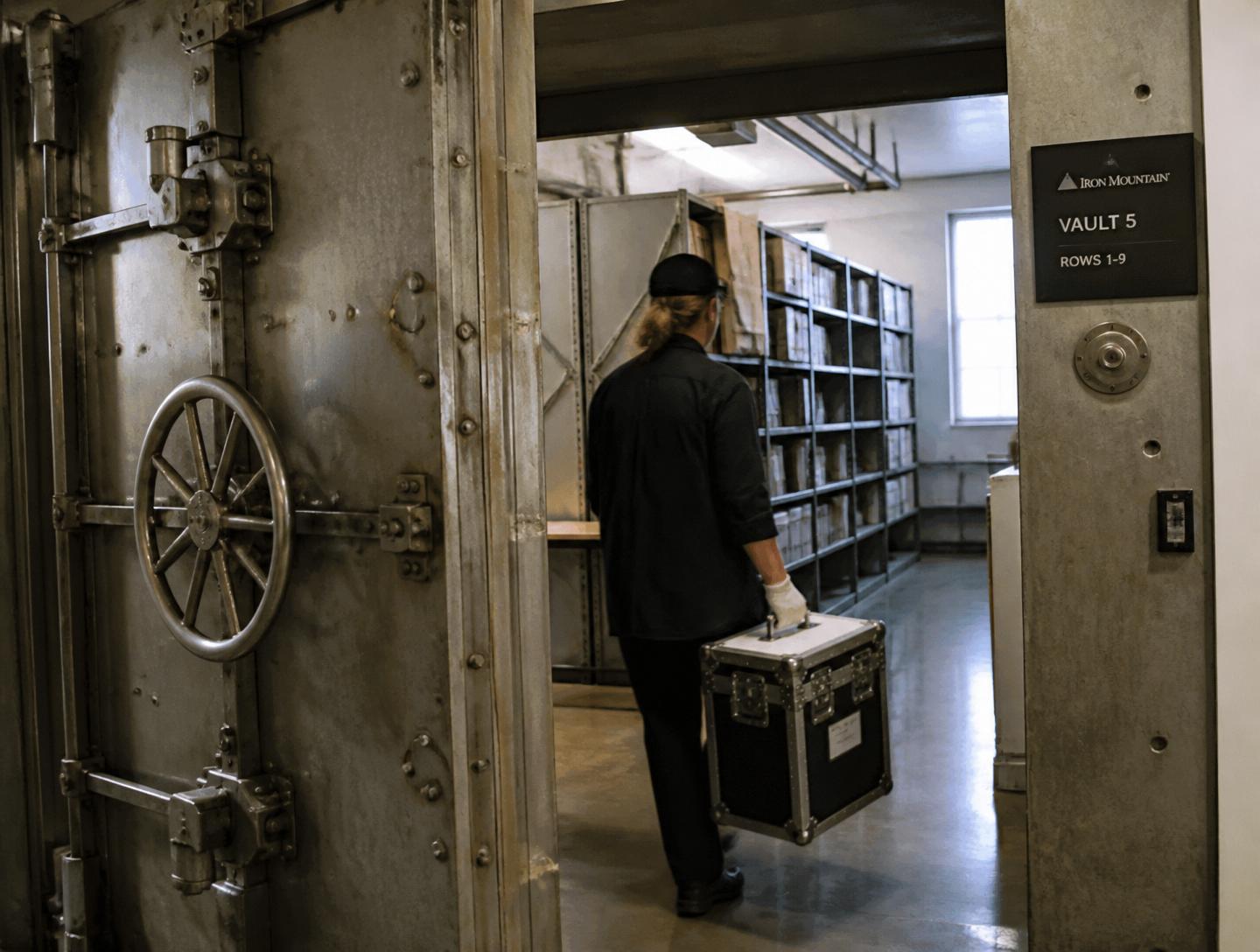
Authenticity and provenance are examined with independent experts. The seller's assessment is never the basis of admission, and most candidates are declined.
Value is modelled on comparable transactions under conservative, central and favourable scenarios, so the range — not a single figure — informs the decision.
An asset is only admitted if it can be held properly: segregation, environmental conditions, handling and transport are assessed before acquisition.
Assets are insured at appraised value, with periodic independent revaluation so that cover follows the asset rather than the purchase price.
The exit channel — auction, private sale or specialist dealer — is identified before acquisition and documented with the distribution mechanics.
The register of participations is administered digitally, with periodic reporting as set out in the documentation for each asset.
Chapter 04 — Access, from €1,000
The entry point exists to make allocation practical: a documented share of a museum-grade object, sized to fit within a considered portfolio rather than to dominate it.
It is not a concession on quality. The asset admitted at €1,000 per share is the same asset, authenticated by the same independent experts, valued on the same three scenarios and held under the same insured custody.

The framework
Every piece is sourced and reviewed individually. Nothing is admitted in bulk, and most candidates are declined.
Authenticity, provenance and valuation are examined with independent experts; we do not rely on the seller's assessment.
Co-ownership is documented directly between the co-owners — no intermediate SPV — and recorded via digital tokens.
Assets are placed with professional custodians under segregation, insurance and environmental arrangements described for each asset.
The register of participations is administered digitally, with periodic reporting as set out in the documentation.
The exit channel — auction, private sale or specialist dealer — and the distribution of net proceeds are defined in the transaction documentation.
Participation model
There is no intermediate special-purpose vehicle for real assets. Co-owners hold a documented undivided share of the asset itself; digital tokens record and administer that share. Rights — including transferability, holding period and distribution mechanics — are set out in the relevant contractual documentation, not by marketing language.
Physical assets are placed under appropriate professional custody and insurance arrangements. Every participant completes KYC/AML before any allocation.
Investing in collectible and physical assets involves risk. Each asset is governed by its own documentation.
Altherum Tokenization is a brand of CGPH Asset Management SAS.
FAQ
General information only. For any specific opportunity, the transaction documentation reviewed with each eligible investor prevails.
Further reading
Background notes and guides from our editorial hub, written for context rather than promotion.
Next step
Tell us what you collect or follow, and we will share the documentation for the assets currently open — selection notes, appraisal, custody and exit terms.