
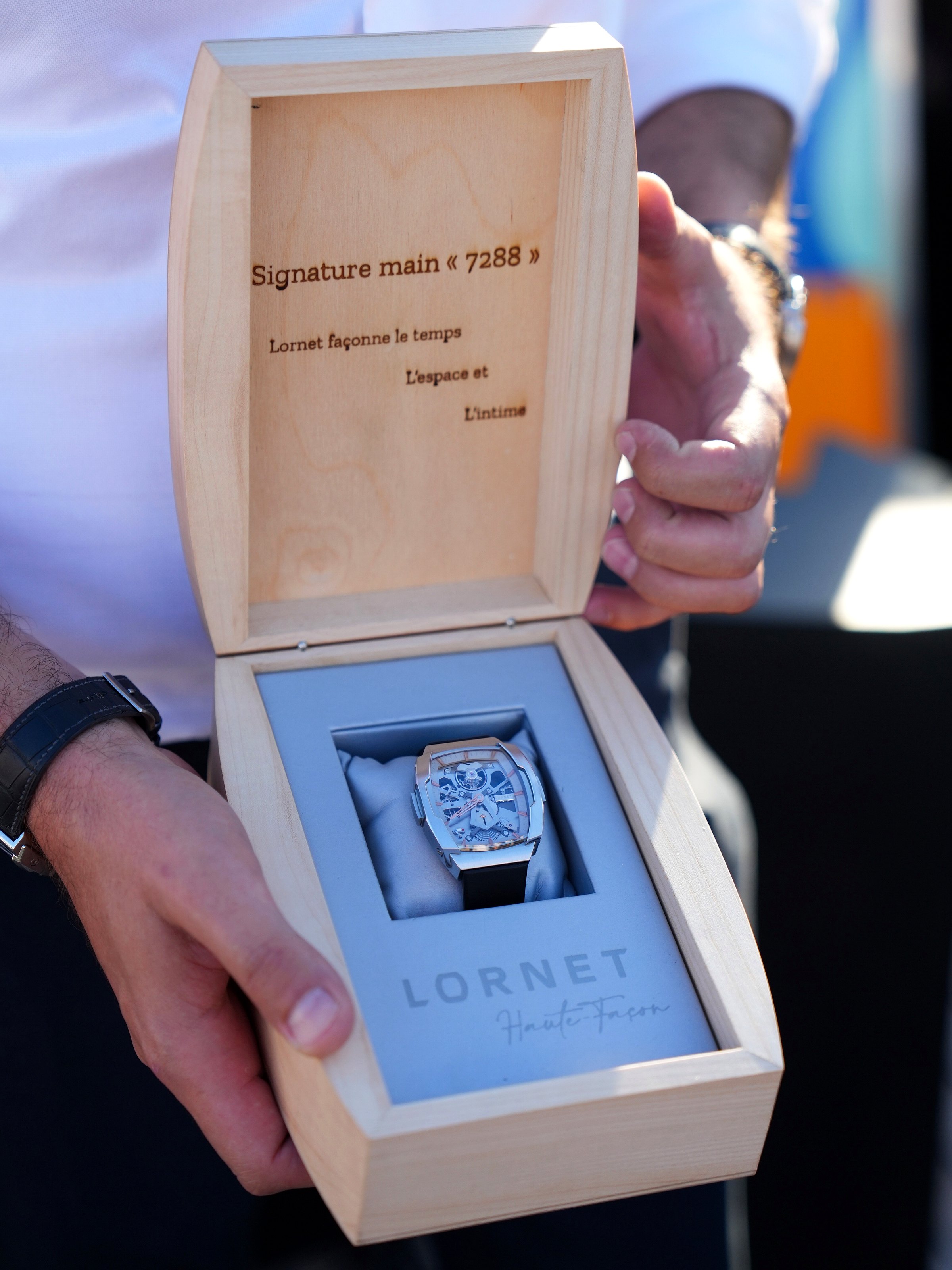
Seasoned wealth rarely concentrates in a single position, and the principle applies to beautiful objects as much as to listed securities. Passion assets enter a serious strategy the way everything else does: through allocation rather than infatuation. What has changed in recent years is not the nature of these assets but the practicality of accessing them in measured sizes.
What passion assets contribute
Fine art, collectible watches, investment-grade gemstones, rare whisky and sporting memorabilia share characteristics that portfolios built on listed instruments do not have. They are tangible, with a scarcity no issuer can dilute: nobody produces another example of a long-discontinued edition or a second copy of a unique commission. Their price drivers — collector demand, cultural relevance, provenance, condition — are specific to each object and to its market, and behave differently from the drivers of listed instruments; how they move relative to financial markets varies by class and by period, and we make no general claim about it. And they carry cultural meaning, a dimension of ownership that a financial instrument does not offer, and the reflection from which Altherum was born.
The honest limits
The same characteristics impose limits, and pretending otherwise is how this asset class is mis-sold. Passion assets produce no income while held. They are illiquid, with exits measured in months and executed through auctions, dealers or private sales — a reality examined in Why Tokenization Does Not Automatically Create Liquidity. They carry object-specific risk: condition, attribution, changing taste. Each piece must be evaluated on its own history and drivers — selection is decisive — and capital remains at risk in every scenario. None of this disqualifies the class; it defines its role as a complement to a diversified allocation, sized to the investor's horizon and liquidity needs.
What has changed: access
For generations this allocation was reserved to those who could buy whole objects. Documented fractional co-ownership changes the arithmetic: shares of exceptional pieces, held under professional custody and insurance, with independent valuation and a defined exit path, from an entry point of €1,000 per asset after onboarding checks. The standard applied to the object stays the same; the ticket becomes proportionate. How this works end to end is set out in Real Assets and in our practical guide.
The advisor's seat stays warm
How much of a portfolio belongs in tangible assets is a decision for the investor and their advisors; patrimonial situations and horizons differ, and nothing here is investment advice. What we undertake is narrower and more useful: that every object we present has passed the same review, and that its documentation states what is owned, held where, insured for how much, and exited how.